
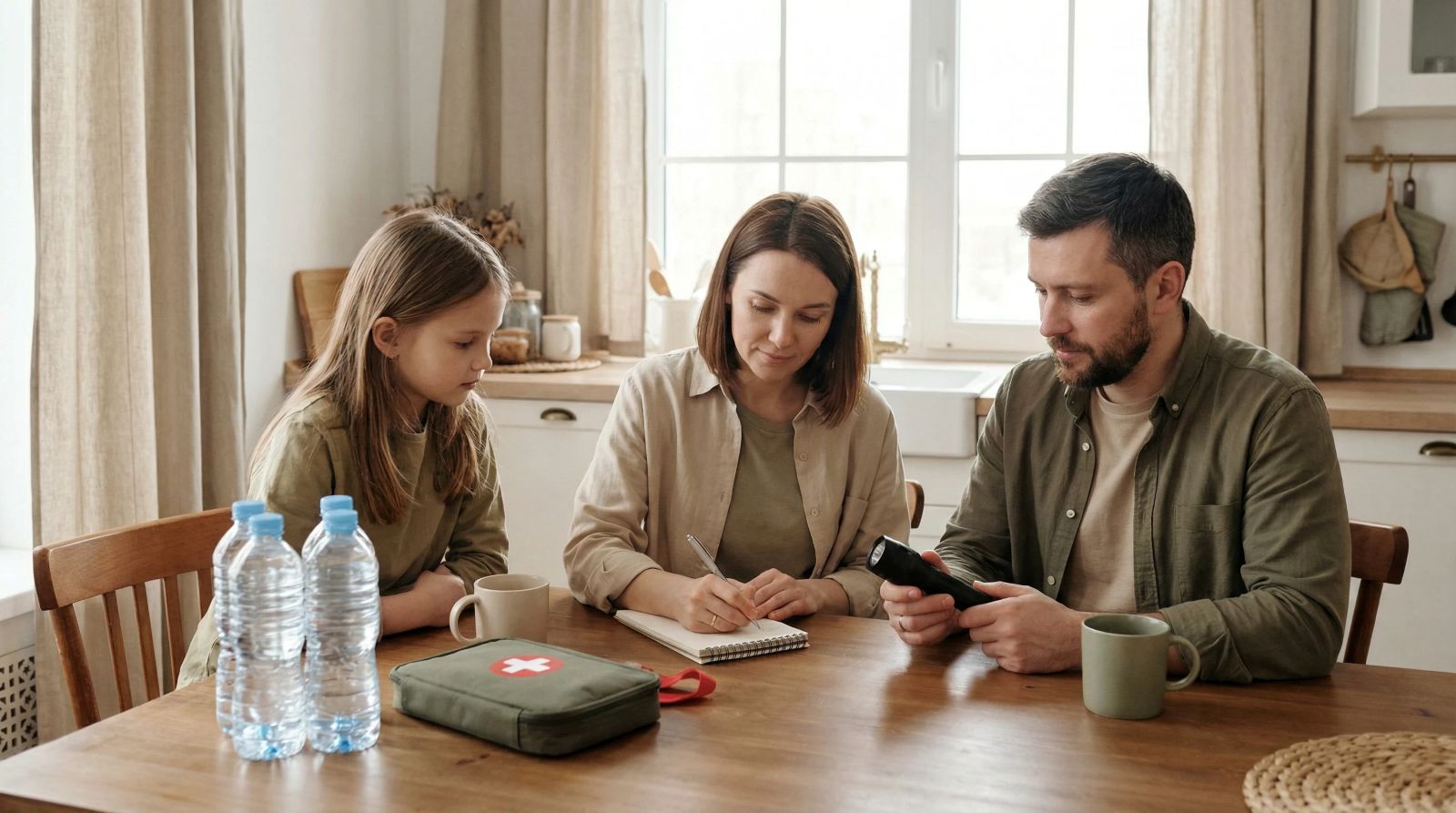
Preparedness often gets framed the wrong way.
For some people, it sounds like fear.
For others, it brings to mind extremes they don’t relate to — panic buying, doomsday thinking, or lifestyles that feel far removed from everyday family life.
But for most households, preparedness is something much quieter and far more practical.
It’s about reducing stress when life is already hard.
It’s about caring for children, spouses, aging parents, and those God has placed in our care.
And it’s about being able to respond calmly instead of scrambling when routines are disrupted.
You don’t have to be religious to see the wisdom in planning ahead. Families from all walks of life prepare because love, responsibility, and foresight are universal values. Having a few essentials set aside doesn’t create fear — it often removes it.
For those of us who follow Christ, preparedness fits naturally with stewardship. Not because we expect the worst, but because we’re called to be thoughtful, grounded, and ready to serve others when circumstances change.
In today’s world, interruptions happen more often than many of us would like to admit. Power outages, weather events, supply delays, medical situations, and family emergencies rarely come with warning. When they do, even short disruptions can feel overwhelming — especially for children.
An emergency kit doesn’t solve every problem.
But it does provide stability.
It creates breathing room.
And it allows families to focus on what matters most instead of scrambling for basics.
In this guide, we’ll walk through what truly matters when choosing an emergency kit for your home or family — without hype, fear-based language, or pressure to buy more than you need. The goal isn’t perfection. It’s wise, steady preparation that supports peace of mind and care for others.

Why Emergency Kits Still Matter for Families
Modern family life depends on systems working smoothly in the background. Electricity, clean water, transportation, communication, and access to food are so integrated into daily routines that we often don’t notice them — until one of them pauses.
When that happens, stress rises quickly.
For families with children, even a short disruption can feel overwhelming. Familiar routines disappear, questions multiply, and uncertainty sets in. Emergency kits don’t prevent disruptions, but they soften their impact by giving families something steady to lean on.
Preparedness isn’t about predicting disasters.
It’s about recognizing that interruptions are part of life.
Power outages happen.
Weather shifts unexpectedly.
Medical situations arise without warning.
Supply chains pause or reroute.
Having an emergency kit allows families to respond calmly instead of reactively. When basic needs are already covered, parents can focus on reassurance, leadership, and care rather than scrambling for essentials.
There is also a quieter benefit to preparedness that often goes unspoken: it preserves mental clarity. When food, light, and first aid are already accounted for, decision fatigue is reduced. Families are better able to think clearly, pray thoughtfully, and help others rather than becoming consumed by immediate needs.
Scripture consistently affirms the value of foresight:
“The plans of the diligent lead surely to abundance, but everyone who is hasty comes only to poverty.”
— Proverbs 21:5
This isn’t about excess or accumulation. It’s about intentional provision.
Emergency kits also create opportunities for family conversations. Preparing together helps children understand responsibility without fear. It models calm leadership and teaches that wisdom doesn’t panic — it plans.
Preparedness, when approached rightly, strengthens families. It builds confidence, reduces anxiety, and creates space to respond with compassion when others may need help.
Emergency kits matter not because the world is falling apart, but because families thrive when they are prepared to face life’s interruptions with steadiness and care.
What Makes a Good Emergency Kit (and What Doesn’t)
A good emergency kit isn’t defined by how much it costs or how many items are packed inside.
It’s defined by how well it serves real people in real situations.
Many families get overwhelmed at this stage because they assume preparedness means having everything. In reality, the most effective emergency kits focus on a few essentials that support clarity, calm, and care when routines are disrupted.
Here are the areas that matter most — and why.

1. Water: More Than Just Drinking
Water is the most overlooked part of preparedness, and yet it’s the most foundational.
Many emergency kits either include very little water or assume families will “add it later.” A good kit at least accounts for hydration, even if it leaves room for you to supplement.
Beyond drinking, water supports:
-
Basic hygiene
-
Wound cleaning
-
Food preparation
-
Comfort during stress
When water is scarce, anxiety rises quickly — especially for children. Even small, clearly planned water provisions can make a difficult situation feel manageable.
A thoughtful kit encourages families to think about water intentionally, not as an afterthought.
2. Food: Calories Matter — but Comfort Matters Too
Emergency food doesn’t need to be gourmet, but it should be reasonable and familiar.
In stressful moments, especially for children and older adults, familiar textures and flavors provide comfort. Food isn’t just fuel — it’s reassurance.
When evaluating an emergency kit, ask:
-
Can this be prepared easily?
-
Will my family actually eat this?
-
Does it support a short disruption without adding stress?
A good kit balances shelf life with simplicity. It doesn’t assume ideal conditions. It supports families who may already feel overwhelmed.
3. First Aid: Confidence, Not Catastrophe
First aid kits are often misunderstood.
They aren’t about preparing for worst-case medical emergencies — they’re about handling minor injuries with confidence so small issues don’t become big ones.
A family-focused emergency kit should consider:
-
Cuts, scrapes, and burns
-
Sanitation and cleanliness
-
Gloves, wipes, and antiseptic
-
Any special needs for children, seniors, or ongoing conditions
When families know they can handle basic care, stress levels drop significantly. Preparedness isn’t about becoming medical experts — it’s about being steady and capable when help may be delayed.
4. Light, Communication, and Basic Power
Darkness amplifies fear.
Even a brief power outage can feel overwhelming at night, especially for families with children. Reliable lighting is one of the simplest ways to restore calm.
A solid emergency kit includes:
-
Flashlights or headlamps
-
Extra batteries
-
A basic radio for updates
Some families also choose to add a small power solution for longer outages. Compact solar generators, such as those from Jackery, can help keep phones, lights, or medical devices running. These aren’t required — but for some households, they add peace of mind without complexity.
The goal isn’t comfort or convenience. It’s clarity and communication.
5. Room to Personalize: Where Preparedness Becomes Personal
No emergency kit should be considered “complete.”
The best kits intentionally leave room for the things that matter most to your family:
-
Prescription medications
-
Copies of important documents
-
Comfort items for children
-
Glasses, hearing aid batteries, or mobility supports
For families of faith, this may also include:
-
A Bible or devotional
-
Prayer cards
-
A written reminder of hope and grounding
Preparedness becomes meaningful when it reflects the people it’s meant to serve. Personalization transforms a kit from a box of supplies into a source of reassurance.
What to Look For — and What to Ignore
A good emergency kit:
-
Reduces decision fatigue
-
Covers essentials without excess
-
Feels manageable, not intimidating
A poor kit:
-
Prioritizes quantity over usefulness
-
Assumes ideal conditions
-
Creates more questions than confidence
Preparedness should simplify, not complicate.
When families choose kits that support calm, clarity, and care, they’re not preparing out of fear — they’re preparing out of wisdom.
Scripture Reflection
“The heart of the wise makes his speech judicious and adds persuasiveness to his lips.”
— Proverbs 16:23
Wisdom isn’t loud.
It’s thoughtful, steady, and grounded.
From Principles to Practical Choices
Once families understand what actually matters in an emergency kit, the next step isn’t rushing to buy something — it’s choosing wisely and calmly.
Preparedness looks different depending on household size, living space, budget, and season of life. A family of five in a suburban home will make different choices than a single parent in an apartment. Wisdom isn’t found in copying someone else’s setup, but in applying sound principles thoughtfully.
That’s why I’ve taken time to review a few preparedness companies in depth rather than recommending everything under the sun.
Some families prefer a family-first, long-term approach, while others need simple, grab-and-go solutions that can move with them if circumstances change. I’ve shared honest, detailed reviews of both Prepared Bee and Survival Frog because they represent two different — but responsible — approaches to emergency readiness.
For families thinking beyond short disruptions, some also choose to supplement their emergency kit with a small solar generator, such as a Jackery, to help power phones, lights, or essential medical devices during longer outages. These aren’t necessities for everyone, but they can add reassurance for certain households.
The goal isn’t to buy everything.
It’s to choose what fits your family — without fear or pressure.
What Emergency Kits Don’t Do (and Why That’s Okay)
Emergency kits are helpful, but they’re often misunderstood.
Some families hesitate to start because they assume a kit needs to cover every possible scenario. Others delay because they’re worried about doing it “wrong.” Both responses come from the same place — unrealistic expectations.
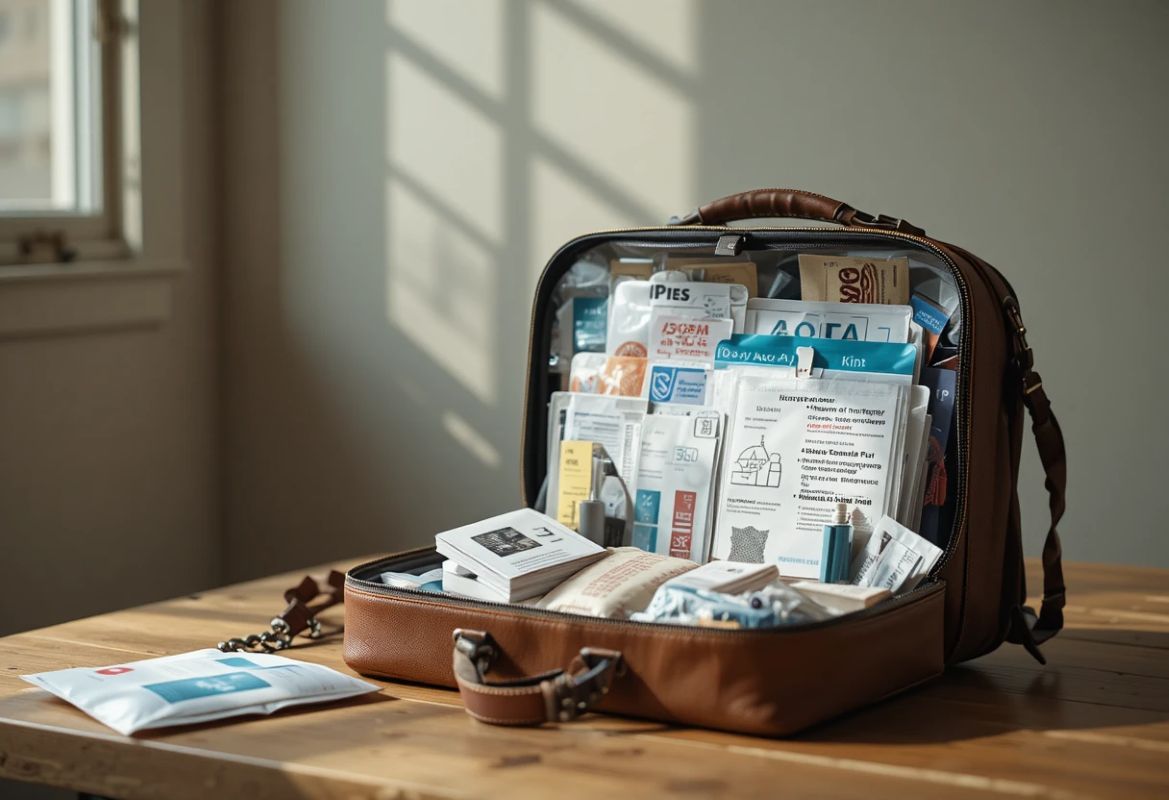
An emergency kit is not meant to solve every problem.
It won’t prevent power outages.
It won’t stop storms, illness, or unexpected disruptions.
And it won’t replace community, prayer, or wisdom in difficult moments.
What it does do is provide stability at the start of uncertainty.
Emergency kits are designed to cover the basics so families don’t have to make dozens of decisions under stress. When food, light, and first aid are already accounted for, mental energy is freed up for leadership, reassurance, and care for others.
One common mistake is waiting until everything feels perfectly planned. In reality, preparedness grows best when it starts imperfectly.
Scripture speaks to this principle clearly:
“Whoever gathers little by little will increase it.”
— Proverbs 13:11
Preparedness is not an all-or-nothing decision. It’s a process.
Another misconception is believing that buying a kit means preparation is “done.” Kits are a foundation, not a finish line. They work best when families view them as a starting point — something to build upon gradually as needs, space, and understanding grow.
It’s also important to recognize that emergency kits don’t eliminate fear by themselves. Peace doesn’t come from supplies alone. But having essentials in place can reduce unnecessary stress, which allows families to respond more thoughtfully instead of reactively.
Perhaps most importantly, emergency kits don’t replace trust — in God, in community, or in one another. They support responsible action, not self-reliance in isolation.
Preparedness works best when it’s held with humility.
When families accept that no kit is perfect and no plan is complete, they’re free to prepare wisely without pressure. That mindset leads to steady growth, not burnout or fear.
Emergency kits don’t do everything — and that’s exactly why they work.
One common gap families notice during longer disruptions is power. Most emergency kits focus on food, light, and first aid — which is appropriate — but they don’t address extended power needs. For some households, especially those with medical devices, young children, or elderly family members, a small supplemental power option like a Jackery solar generator can add peace of mind. These aren’t replacements for emergency kits, but thoughtful additions for families who want a little extra reassurance during longer outages.
Trusted Emergency Kit Options for Families
Once families understand what matters in an emergency kit — and what kits are not meant to do — choosing a solution becomes much simpler.
This isn’t about finding the best kit on the internet.
It’s about finding a kit that fits your household, your space, and your season of life.
I don’t believe in recommending dozens of companies and letting families sort through the noise. Instead, I focus on a small number of options that approach preparedness responsibly, without fear-based marketing or unrealistic promises.
Two companies I’ve spent time researching and reviewing are Prepared Bee and Survival Frog. They take very different approaches, and that’s actually what makes them helpful to compare.
Prepared Bee: A Family-First, Long-Term Approach
Prepared Bee tends to resonate with families who want to think beyond the first few days of an emergency.
Their kits and food options are designed with:
-
Households in mind
-
Longer shelf life
-
Clear instructions
-
A non-intimidating presentation
Prepared Bee is often a good fit for families who:
-
Are preparing for home-based disruptions
-
Want food options that can scale over time
-
Prefer a calmer, more methodical approach to readiness
I’ve shared a detailed breakdown of what Prepared Bee does well — and where it may not be ideal for every situation — in my full Prepared Bee review, for families who want a closer look before deciding.
Prepared Bee also offers 10% off with coupon code BKVPHPKLJA, which can help families get started without feeling pressured to overbuy.

Survival Frog: Simple, Grab-and-Go Preparedness
Survival Frog takes a more mobile and immediate approach.
Their kits are often built around:
-
Quick access
-
Portability
-
Evacuation readiness
-
Compact storage
This makes Survival Frog a solid option for:
-
Apartment dwellers
-
Families who travel frequently
-
Vehicles and secondary kits
-
Households that may need to relocate quickly during disruptions
Survival Frog also offers a Buyers Club, which can be useful for families who want ongoing savings rather than a one-time purchase.
I’ve covered their strengths and limitations in my full Survival Frog review, and for readers deciding between these two styles of preparedness, I’ve also written a Survival Frog vs Prepared Bee comparison to help clarify which approach fits different family needs.
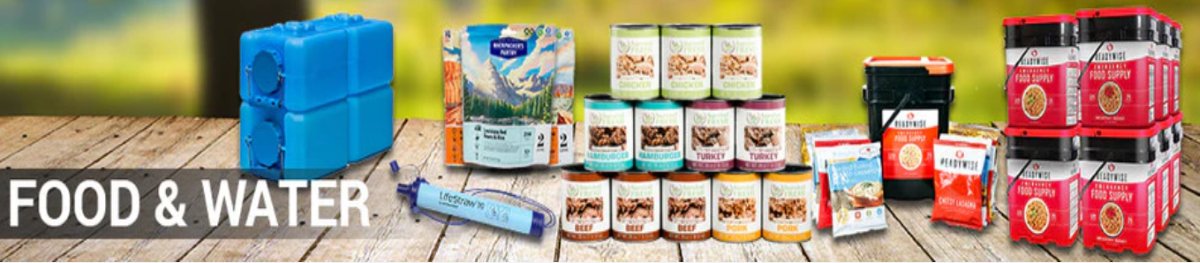
Choosing What Fits Your Family
There is no single “right” choice.
Some families prefer the stability of a home-based kit.
Others need portability and flexibility.
Many households eventually combine elements of both.
Preparedness works best when it’s layered over time, not rushed into all at once.
If you’re unsure where to begin, start with the option that feels manageable. A kit that fits your space and lifestyle will always be more effective than one that sits unused because it feels overwhelming.
A Gentle Reminder
No emergency kit replaces faith, community, or wisdom.
These tools exist to support families — not to become the focus. When preparedness is approached with humility and balance, it becomes an extension of care rather than a source of anxiety.
A Word for Apartment and Small-Space Families
Preparedness isn’t only for homeowners with garages, basements, or storage sheds.
In many ways, families living in apartments, condos, or smaller homes face greater challenges during disruptions — and that makes thoughtful preparation even more important.
Limited space, shared utilities, and building-wide systems mean that when something stops working, individual households often have less control over how quickly it gets resolved. Power, water, elevators, and heating can all be affected at once.
The good news is this:
Preparedness for small spaces doesn’t require more gear — it requires smarter choices.
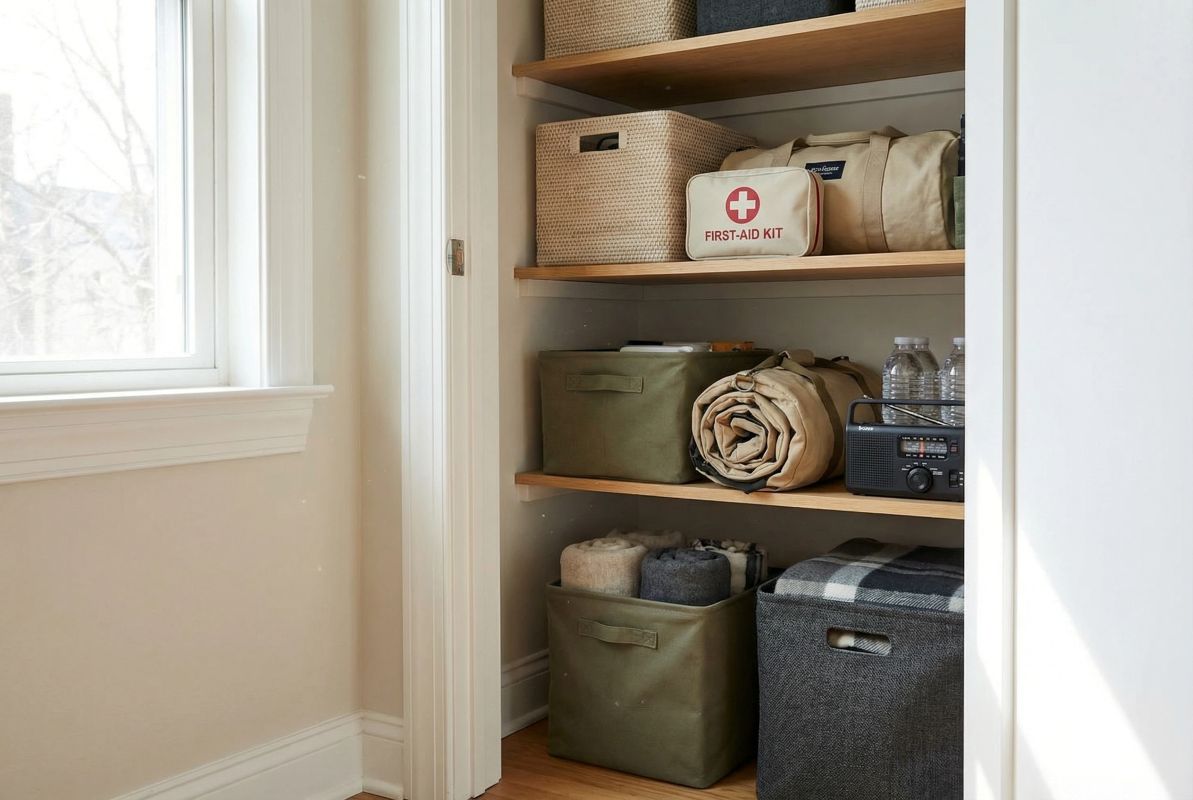
Why Small-Space Preparedness Looks Different
Apartment and small-home families often need to think in terms of:
-
Portability rather than permanence
-
Efficiency rather than quantity
-
Mobility rather than stockpiling
This is where compact emergency kits shine. A well-chosen kit that can be stored under a bed, in a closet, or in a vehicle often provides far more value than larger setups that simply aren’t practical in limited space.
Preparedness isn’t about how much you own — it’s about how well what you have serves you.
Storage Without Stress
One of the biggest mental barriers for small-space families is storage. When every square foot matters, the idea of emergency supplies can feel overwhelming.
Instead of thinking in terms of “where will I put all of this,” it helps to think in layers:
-
A primary kit stored where it’s easy to reach
-
A smaller grab-and-go option for evacuation
-
A vehicle kit, if applicable
Preparedness should fit into your home, not take it over.
Mobility Matters
Families in apartments are often more likely to need to leave quickly during certain situations. Fires, building issues, or local evacuations can require fast decisions.
Because of this, many apartment dwellers benefit from:
-
Lightweight kits
-
Backpacks or compact containers
-
Supplies that don’t require extensive setup
A kit you can carry calmly is far more valuable than one that’s difficult to move.
Children, Seniors, and Special Needs
Small-space households often include:
-
Young children
-
Elderly family members
-
Medical or mobility considerations
Preparedness in these situations is less about gear and more about thoughtfulness. Familiar food, comfort items, medications, and clear routines can make a stressful moment far more manageable.
Emergency kits that leave room for personalization are especially important here.
Preparedness Without Panic
One of the quiet strengths of apartment preparedness is simplicity.
When space is limited, excess is naturally filtered out. Families are encouraged to focus on essentials — food, water, light, first aid, and communication — without getting lost in unnecessary extras.
This aligns closely with a wise approach to preparation:
“Better is a little with righteousness than great revenues with injustice.”
— Proverbs 16:8
Small, thoughtful steps taken consistently often lead to better outcomes than large, rushed decisions.
A Reassuring Perspective
Living in a smaller space does not mean being less prepared.
In fact, families who prepare intentionally within their limits often develop clearer plans, stronger communication, and greater confidence. Preparedness isn’t about how much room you have — it’s about how wisely you use what you do have.
A Faith Perspective (Welcoming, Not Pressuring)
Preparedness is practical wisdom — and it stands on its own.
You don’t need to share the same beliefs to understand the value of planning ahead, caring for your household, or reducing unnecessary stress during difficult moments. Those instincts are human, not religious.
At the same time, for those of us who follow Christ, preparedness carries an added layer of meaning.
It isn’t driven by fear of the future, but by responsibility in the present.
Scripture consistently frames wisdom as thoughtful, measured action — not panic or excess:
“The wise store up choice food and olive oil, but fools gulp theirs down.”
— Proverbs 21:20
This verse isn’t about stockpiling or hoarding. It’s about restraint, foresight, and knowing when to prepare instead of consuming everything immediately. In other words, wisdom looks ahead without anxiety.
Faith and Preparedness Are Not Opposites
Some people worry that preparing for emergencies means a lack of trust in God. But Scripture paints a different picture.
Trusting God does not mean ignoring reality.
Faith does not require passivity.
And preparation does not replace prayer.
Throughout the Bible, wisdom and faith walk hand in hand. Joseph stored grain during years of abundance. Noah prepared long before rain was visible. Proverbs repeatedly praises those who act with discernment rather than denial.
Preparedness, when done humbly, is an expression of stewardship — caring for what God has entrusted to us, especially the people in our homes.
“If anyone does not provide for his relatives, and especially for members of his household, he has denied the faith.”
— 1 Timothy 5:8
This isn’t a call to fear.
It’s a call to love through responsibility.
Preparedness as a Way to Serve Others
One often overlooked aspect of preparedness is how it positions families to help beyond themselves.
When basic needs are already accounted for, families are better able to:
-
Remain calm during disruptions
-
Offer support instead of needing rescue
-
Help neighbors, relatives, or church communities
Preparedness creates margin — and margin creates opportunity for compassion.
This aligns with the heart of Christian faith: not self-preservation, but readiness to love well when others are struggling.
A Word for Those Who Are Unsure or Searching
If you’re reading this and don’t consider yourself religious, you’re welcome here.
Prepared & Redeemed exists to encourage wisdom, clarity, and peace — not pressure or judgment. Preparation can be practical without being preachy, and faith conversations should always leave room for questions.
And if you are someone who believes, but feels tired, uncertain, or stretched thin, you’re not alone either.
Jesus offered rest, not demands:
“Come to Me, all who labor and are heavy laden, and I will give you rest.”
— Matthew 11:28
That invitation still stands — not just for eternity, but for today.
Faith First, Preparation Second
At its best, preparedness flows from faith — not the other way around.
We prepare because we trust God, not because we fear losing control.
We plan wisely, knowing that peace ultimately comes from Him, not from supplies.
Emergency kits, plans, and tools have their place.
But faith provides the foundation that steadies everything else.
Frequently Asked Questions
How much emergency food and water does a family really need?
A common starting point is 72 hours, which helps cover short disruptions like power outages or temporary supply interruptions. Many families gradually work toward one to two weeks of food and water as space and budget allow.
Preparedness doesn’t need to happen all at once. Building slowly is often more sustainable — and less stressful — than trying to cover everything immediately.
Are emergency kits fear-based or rooted in panic?
They don’t have to be.
When approached wisely, emergency kits actually reduce fear by removing uncertainty. Knowing that basic needs are covered allows families to respond calmly rather than react emotionally. Preparedness becomes unhealthy only when it’s driven by anxiety instead of wisdom.
Do families with children need different emergency kits?
Yes, and not because children need more — but because they need familiarity.
Children often cope better during stressful situations when routines, comfort items, and recognizable foods are present. Emergency kits for families with kids should allow room for simple comforts, familiar meals, and reassurance rather than focusing only on calories.
What if we live in an apartment or have very limited space?
Limited space doesn’t prevent preparedness — it simply shapes it.
Apartment and small-space families often benefit from:
-
Compact kits
-
Portable supplies
-
Grab-and-go options
A thoughtfully chosen kit that fits your living situation is far more effective than a larger setup that feels impractical or overwhelming.
Is emergency preparedness expensive to get started?
It doesn’t have to be.
Many families begin with a basic kit and gradually add items over time. Preparedness is a process, not a purchase. Starting small and building intentionally often leads to better long-term results than spending heavily upfront.
How often should emergency supplies be checked or rotated?
Most families find that checking supplies once or twice a year is sufficient. Setting a reminder when seasons change can help keep food, batteries, and medications fresh without adding stress.
Preparedness should fit into life — not become another burden.
What if my spouse or family isn’t fully on board?
This is more common than many people realize.
Preparedness conversations go best when they focus on peace of mind, not worst-case scenarios. Starting with small, practical steps — like a basic emergency kit — can help build confidence and trust over time without pressure.
Do emergency kits replace faith, prayer, or trust in God?
No — and they’re not meant to.
Emergency kits address practical needs, but faith addresses the heart. Preparation supports responsibility; trust provides peace. When held together, they create balance rather than conflict.
A Final Encouragement
If you’ve made it this far, let me encourage you with something simple:
You don’t need to have everything figured out today.
Preparedness isn’t about perfection. It’s about taking one wise step at a time. A basic kit. A thoughtful plan. A calm mindset. Those small steps add up far more than fear-driven urgency ever could.
Life is unpredictable — but it doesn’t have to be overwhelming.
When families prepare wisely, they create space for peace, clarity, and care. And when we prepare with humility, we remain open to helping others instead of being consumed by our own uncertainty.
If you’re feeling anxious about the future, know that you’re not alone. Many people are quietly searching for stability right now — not just physically, but spiritually.
Jesus offered this invitation:
“Come to Me, all who labor and are heavy laden, and I will give you rest.”
— Matthew 11:28
That rest isn’t found in supplies alone. It’s found in trust — trust that you don’t have to carry everything by yourself.
Whether you’re taking your first steps toward preparedness or simply seeking peace in uncertain times, you’re welcome here.
If this guide helped you think more clearly or feel more grounded, I’d love to hear from you in the comments. And if you know someone who’s been hesitant to prepare because it feels overwhelming, consider sharing this with them.
About the Author
Hi, I’m Jason.
 I’m not a survival expert or someone with all the answers. I’m just a sinner saved by grace who believes that spiritual preparation comes first, and practical preparation follows.
Prepared & Redeemed exists to encourage families to think clearly, prepare wisely, and walk forward without fear. My goal isn’t to promote panic or be perfect, but to offer calm guidance rooted in faith, responsibility, and compassion.
If you’re here looking for peace, wisdom, or a steadier way forward, you’re in the right place.
Transparency Note
Some links in this post may be affiliate links. If you choose to purchase through them, it helps support this ministry at no extra cost to you. I only recommend products I’ve personally researched and believe align with wise, ethical preparedness.
Thank you so much for this blessing of a post. ❤️ As someone who lives with epilepsy, I’ve learned firsthand that emergencies can come in many forms — not just storms or power outages — and being prepared has literally made all the difference for me and my family.
Before I had a reliable emergency kit and plan, the unpredictability of my seizures brought a lot of fear and stress into everyday life. Over time, I was reminded that preparedness isn’t about fear — it’s about stewardship, care, and peace. What you said about reducing stress so families can respond calmly instead of scrambling really resonated with me. An emergency kit has helped us stay steady when a seizure required immediate attention or when a short disruption suddenly became stressful.
Leah, thank you for sharing this. Truly. ❤️
Your perspective adds something incredibly important to this conversation that many people don’t immediately think about — emergencies aren’t always weather events or power outages. Sometimes they’re deeply personal, medical, and completely unpredictable.
What you said about preparedness being stewardship, care, and peace is exactly the heart behind this post. An emergency kit isn’t about living in fear. It’s about removing chaos from moments that are already hard, so families can respond with calm instead of panic.
I’m grateful you shared how having a plan and supplies ready has helped you and your family stay steady during seizures and disruptions. That’s a powerful reminder that preparedness can reduce stress in ways that go far beyond the obvious scenarios.
Thank you again for adding this insight here — it will help more readers than you know.