
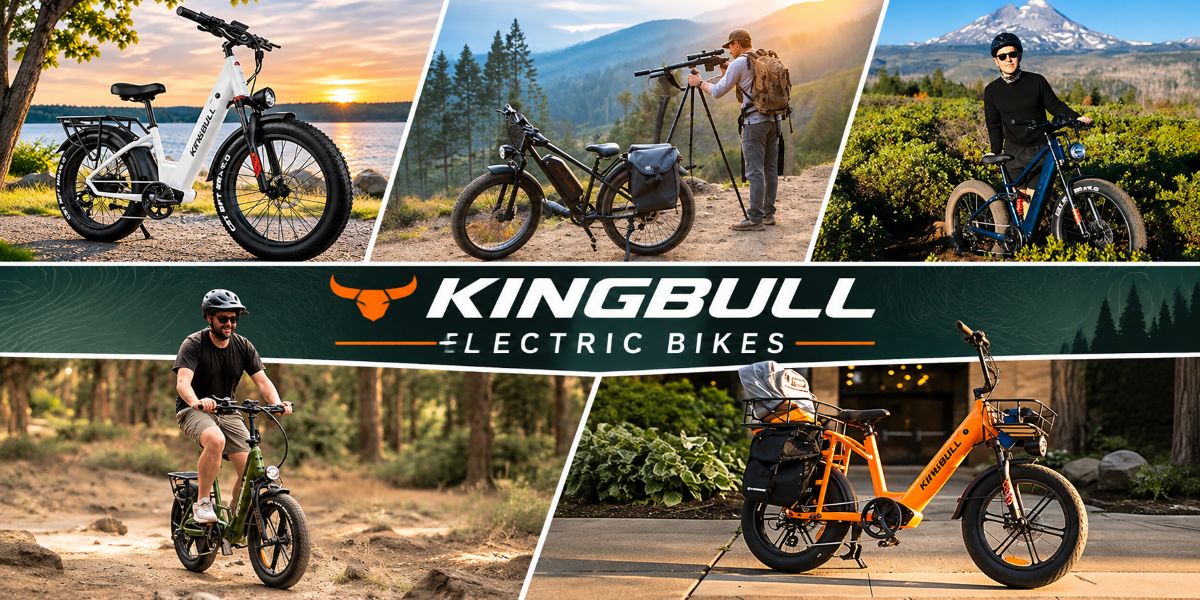
Kingbull Electric Bikes offers a growing lineup of fat-tire electric bikes designed for commuting, recreation, and hauling cargo. With powerful motors, competitive pricing, and impressive advertised ranges, the brand has plenty to offer on paper.
But how well do these bikes hold up beyond the specifications?
In this Kingbull Electric Bikes review, I’ll examine the company’s reputation, product quality, customer experiences, and potential drawbacks to help you decide whether they’re worth your money.
Quick Verdict: Are Kingbull Electric Bikes Worth Buying?
TL;DR: Kingbull electric bikes appear to offer competitive value, particularly for riders interested in fat-tire commuter, cargo, and recreational models. Their advertised motor power, battery capacities, and practical features make them worth considering for everyday transportation and preparedness.
What I Like:
- A variety of electric bikes for commuting, cargo hauling, and recreational riding.
- Competitive specifications and pricing compared with some established brands.
- Fat-tire options designed for different riding surfaces.
- Potential usefulness for practical transportation and emergency preparedness.
What Concerns Me:
- Restrictive return conditions, including a low mileage limit.
- Warranty coverage that varies considerably by component.
- Customer complaints involving service and replacement parts.
- Advertised riding ranges that may be difficult to achieve under everyday conditions.
My Preliminary Verdict: Kingbull offers promising value for riders seeking a feature-rich electric bike at a competitive price. However, its warranty limitations, return restrictions, and replacement-parts availability deserve careful consideration before purchasing.
This assessment is based on published specifications, company policies, and available customer feedback—not personal ownership or hands-on testing.
Affiliate Disclosure
Prepared & Redeemed has an affiliate partnership with Kingbull Electric Bikes, along with other electric bike manufacturers. If you purchase through certain links on this website, we may earn a commission at no additional cost to you.
These partnerships do not determine our findings or recommendations. My goal is to provide fair, balanced information that helps you make an informed purchasing decision.
Interested in exploring Kingbull’s electric bikes?
You can browse Kingbull’s current models, compare specifications, and review available options directly through its official website.
Before purchasing, I encourage you to read the full review, including the warranty details, customer feedback, and potential limitations discussed below.
Who Is Kingbull? Company Background and Reputation
Kingbull is a relatively young electric bicycle brand offering fat-tire e-bikes for commuting, recreation, cargo hauling, and off-road riding. Its lineup emphasizes powerful motors, practical features, and competitive pricing.
According to the Better Business Bureau (BBB), Kingbull Technology, Inc. began operating in September 2023 and maintains a business address in Los Angeles, California.
The company sells directly through its website and advertises a two-year limited warranty on major components. However, coverage varies by part, something we’ll examine more closely later in this review.
What About Kingbull’s Reputation?
Customer feedback presents a mixed picture.
Some owners praise Kingbull’s comfortable rides, performance, packaging, and overall value. Others report difficulties involving warranty claims, customer support, and replacement-parts availability.
The BBB currently gives Kingbull an F business rating, citing two unanswered complaints. However, its customer review average is 3.79 out of 5 stars from 19 reviews.
It’s important to distinguish these figures. A BBB business rating is not a product-quality score, and a relatively small number of reviews cannot establish how reliable every Kingbull bicycle will be.
My Take: Kingbull appears to be a legitimate electric bike manufacturer offering competitively equipped products. However, its relatively short operating history and mixed customer-service feedback make long-term ownership support an important consideration.
For me, a good electric bike isn’t just about how well it performs when it’s new. It’s also about whether the manufacturer will help keep it running years down the road.
Kingbull Electric Bike Models Compared
Kingbull offers several electric bikes designed for different riding needs, from daily commuting to cargo hauling and outdoor recreation. While many models share similar motor specifications, their frame designs, battery capacities, and suspension systems set them apart.
Here are five Kingbull models worth considering.
Kingbull Voyager 2.0 – Best for Cargo and Utility
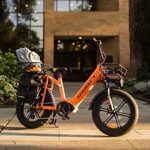
The Voyager 2.0 features a 750W rear-hub motor, a 720Wh removable battery, and an advertised range of up to 60 miles. Its 450-pound total payload capacity and substantial rear rack make it particularly interesting for carrying groceries, equipment, or emergency supplies.
For practical preparedness, this is one of Kingbull’s more appealing options. However, its advertised range should not be assumed when carrying heavy loads.
Kingbull Discover ST 2.0 – Best for Everyday Commuting
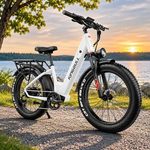
The Discover ST 2.0 combines a step-through frame with a 750W motor, 720Wh battery, and advertised range of up to 60 miles.
Its upright riding position, fat tires, and hydraulic disc brakes make it worth considering for commuting and everyday errands. The step-through design may also appeal to riders who prefer easier mounting and dismounting.
Kingbull Hunter 2.0S – Best for Outdoor Recreation

Designed for recreational and rough-surface riding, the Hunter 2.0S features a 750W motor, 864Wh battery, and advertised range of up to 80 miles.
Its 26-inch fat tires and front suspension make it an interesting option for gravel roads, maintained trails, and outdoor adventures. However, fat tires and suspension alone do not make an electric bike suitable for every mountain biking trail.
Kingbull Literider 2.0 – Best for Folding Convenience
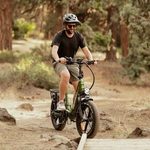
The Literider 2.0 offers a folding design, 750W motor, 720Wh battery, and an advertised range of approximately 55–60 miles, depending on the manufacturer’s listing.
Its compact folding frame may appeal to RV owners, campers, and riders with limited storage space. However, at approximately 71 pounds, it is considerably heavier than many traditional folding bicycles.
Kingbull Rover 2.0 – Best for Full-Suspension Riding

The Rover 2.0 features a 750W motor, 720Wh battery, and advertised range of up to 60 miles. Unlike several other Kingbull models, it includes both front and rear suspension.
That additional suspension may improve comfort on uneven surfaces, although the Rover’s approximately 80-pound weight is worth considering for transportation, storage, and handling.
Which Kingbull Electric Bike Makes the Most Sense?
For everyday transportation, the Discover ST 2.0 offers an accessible step-through design. The Voyager 2.0 stands out for cargo carrying and practical preparedness, while the Hunter 2.0S and Rover 2.0 are geared more toward recreational riding.
The Literider 2.0 provides a folding alternative, although buyers should carefully consider its weight.
One important reminder: These specifications and riding ranges come from Kingbull’s published information. Actual performance depends on terrain, rider weight, cargo, weather, and how much electric assistance is used.
Motor Performance, Battery Range, and Build Quality
Kingbull’s electric bikes offer specifications that look competitive for their price range, but motor wattage and advertised mileage only tell part of the story. Battery capacity, braking performance, weight, and construction are equally important when evaluating an electric bike.
Motor Power and Riding Performance
The Kingbull models we’ve examined feature 750W rear-hub motors, with pedal assistance and throttle controls.
Several models advertise assisted speeds of up to 28 mph, while throttle-only operation is generally limited to 20 mph. Actual acceleration and hill-climbing performance will depend on the rider, terrain, and cargo weight.
One feature worth noting is the use of different pedal-assist sensors. The Discover ST 2.0 uses a torque sensor, which adjusts assistance based on pedaling effort. Other models may use cadence sensors that activate assistance when the pedals turn.
For everyday commuting, the difference can affect how natural and responsive the bike feels.
Battery Capacity and Real-World Range
Kingbull advertises riding ranges of approximately 55 to 80 miles for several of its popular models, depending on battery capacity and configuration.
Those figures represent favorable riding conditions, not guaranteed everyday mileage.
Several factors can reduce actual range:
- Frequent throttle use and higher assistance levels.
- Hills, headwinds, and rough terrain.
- Heavier riders or additional cargo.
- Cold temperatures and low tire pressure.
For someone considering an electric bike as backup transportation, I would plan around a conservative riding range rather than the manufacturer’s maximum estimate.
Removable batteries are another practical advantage, allowing owners to charge them separately from the bicycle. However, replacement cost and long-term battery availability are important considerations.
Frame Construction, Tires, and Braking
Kingbull uses aluminum frames across the models examined, along with wide fat tires designed to improve traction and comfort on varied surfaces.
Several models also feature front suspension, while the Rover 2.0 includes rear suspension for additional cushioning on uneven terrain.
Hydraulic disc brakes are another welcome feature, particularly on heavier electric bikes capable of carrying substantial loads.
However, these bikes are not lightweight. Several models weigh approximately 70–80 pounds before adding accessories or cargo. That can make lifting, transporting, and storing them challenging.
Fat tires may improve comfort and traction, but they do not eliminate the risks of loose gravel, wet pavement, or difficult trail conditions.
Battery and Electrical Safety
Kingbull states that several of its newer models have achieved UL 2849 electrical-system certification, with UL 2271 battery certification available on many models.
These are encouraging safety claims, although buyers should confirm certification for the exact model they’re purchasing.
As with any lithium-ion electric bike, proper charging and battery care are essential. Use the manufacturer-approved charger, inspect batteries for damage, and avoid charging near flammable materials or blocking exits.
My Assessment
Kingbull’s published specifications suggest a capable lineup of electric bikes with useful features for commuting, recreation, and practical transportation.
I particularly appreciate the availability of hydraulic brakes, removable batteries, and cargo-oriented designs.
Are Kingbull Electric Bikes Useful for Emergency Preparedness?
Electric bikes can serve a practical purpose beyond commuting and recreation. During fuel shortages, transportation disruptions, or other emergencies, having an alternative way to travel could be valuable.
Kingbull’s cargo and fat-tire models offer several features worth considering from a preparedness standpoint.
Alternative Transportation When Fuel Is Unavailable
An electric bike doesn’t require gasoline, making it a useful transportation option when fuel is difficult to obtain or traditional vehicles aren’t practical.
For shorter trips, a Kingbull could help you reach nearby stores, check on family members, or travel around your community. Pedal assistance can also make carrying additional weight less demanding than riding a conventional bicycle.
Carrying Essential Supplies
The Kingbull Voyager 2.0 is particularly interesting because of its cargo-oriented design and advertised 450-pound total payload capacity.
With appropriate racks and bags, an electric cargo bike can transport groceries, water, emergency equipment, or other necessities without relying on a car.
Of course, cargo must be secured properly, and the manufacturer’s weight limits should always be respected.
Charging During Power Outages
One important limitation is that electric bikes still depend on electricity.
A compatible portable power station or solar charging system could potentially recharge an e-bike battery during an extended outage. However, the power source must provide sufficient capacity and support the bike’s approved charger.
This is where having a broader emergency power plan becomes useful. An electric bike should complement your preparedness supplies rather than become something you depend on exclusively.
If you’re exploring backup power options, our Trusted Products & Reviews directory features solar generators, portable power solutions, and other practical preparedness supplies worth considering.
Practical Preparedness, Not a Replacement for Planning
I see electric bikes as another tool that can provide transportation flexibility. They won’t replace a dependable vehicle in every situation, and mechanical problems, road conditions, or a depleted battery can limit their usefulness.
For Prepared & Redeemed readers, the goal isn’t to prepare for every imaginable disaster. It’s to make thoughtful decisions that help us care for our families and use our resources wisely.
Kingbull’s cargo and commuter models could fit into that approach, provided the bicycle meets your everyday needs first.
What Real Kingbull Owners Are Saying
Customer reviews offer valuable insight into Kingbull’s electric bikes, particularly when it comes to build quality, reliability, and after-sales support. I examined feedback from Trustpilot, the Better Business Bureau, and independent owner discussions to get a broader picture.
What Customers Like About Kingbull
Kingbull receives considerable positive feedback for its bikes’ performance, sturdy construction, and overall value.
On Trustpilot, the company currently holds a 4.6 out of 5 rating from 143 reviews. Positive experiences frequently mention:
- Comfortable riding and solid construction.
- Good value for the features provided.
- Bikes arriving well-packaged and relatively easy to assemble.
- Helpful customer service and replacement parts supplied under warranty.
Several owners describe successful warranty experiences, including replacement displays, controllers, and damaged accessories.
Common Complaints and Concerns
Like most electric bike manufacturers, Kingbull has received some negative customer feedback. Reported concerns include:
- Braking and components: Some owners report brake adjustments, electronic issues, or replacement parts being needed.
- Customer support: Experiences vary, with some buyers reporting delays in resolving warranty concerns.
- Parts availability: At least one owner experienced difficulty obtaining a replacement battery for an older model.
While these concerns are worth considering, individual complaints don’t necessarily reflect the experience of most Kingbull owners. Especially for a young company with less than 50 customer reviews
My Assessment of Customer Feedback
Kingbull’s customer reputation is mixed, although positive reviews substantially outnumber negative ones on Trustpilot.
What stands out to me is the difference in customers’ experiences when problems arise. Some report prompt assistance and successful repairs, while others describe frustrating delays.
I wouldn’t dismiss Kingbull based on a handful of complaints, but I also wouldn’t overlook safety-related issues or difficulties obtaining essential replacement parts.
For anyone planning to keep an electric bike for several years, dependable after-sales support deserves serious consideration alongside the purchase price.
Kingbull Warranty, Returns, and Customer Service
Kingbull offers a two-year limited warranty, a 15-day return window, and customer support through its website. These are useful benefits, although buyers should understand the conditions before ordering.
What Does Kingbull’s Warranty Cover?
Kingbull provides two years of coverage for manufacturing defects involving the frame, motor, battery, controller, and certain electrical components.
Other parts have shorter coverage periods:
- Display and suspension fork: 1 year.
- Battery charger: 6 months.
- Hydraulic brake system and tires: 3 months.
Normal wear, accidental damage, and improper modifications are generally excluded.
Kingbull also provides technical assistance and may authorize replacement parts or repairs for qualifying warranty claims.
Understanding the 15-Day Return Policy
Kingbull allows returns within 15 days of receiving a bicycle, but there are important conditions.
According to its published policy, bikes exceeding 10 miles of use are generally ineligible for refunds. Returns must also meet condition and packaging requirements.
For returns unrelated to defects, customers may be responsible for a 10% handling fee and return shipping costs.
I recommend reviewing these terms carefully before taking an extended test ride.
Shipping and Customer Support
Kingbull advertises free shipping within the contiguous United States, with in-stock bikes typically arriving within 2–7 business days after shipment.
Customer support is available through its website, email, and telephone. Warranty claims generally require proof of purchase and documentation of the problem.
My Take: Kingbull provides meaningful warranty coverage on major components, which is encouraging. However, its return conditions are fairly restrictive, making it important to choose the right model before ordering.
Kingbull vs. HappyRun, Mooncool, and Burchda
Kingbull isn’t the only electric bike manufacturer offering powerful motors, fat tires, and competitive pricing. HappyRun, Mooncool, and Burchda also provide interesting alternatives, although each brand serves somewhat different riding needs.
Kingbull vs. HappyRun
HappyRun offers a wide selection of electric bikes, including commuter, cargo, and high-performance off-road models.
Its G70 Pro cargo bike features a dual-motor design, while Kingbull’s Voyager 2.0 emphasizes practical cargo capacity with a more conventional single-motor setup.
Kingbull may appeal more to riders seeking everyday utility, while HappyRun offers additional choices for those interested in higher-powered performance.
Kingbull vs. Mooncool
Mooncool specializes in electric tricycles, making it a different type of alternative.
Models such as the TK2 Pro and TK Pro feature three-wheel designs, cargo baskets, and folding options. These may appeal to riders who prefer three wheels or want additional carrying convenience.
Kingbull offers a more traditional two-wheel cycling experience, while Mooncool provides alternatives for people whose needs are better served by an electric trike.
Kingbull vs. Burchda
Burchda competes more directly with Kingbull through its fat-tire, commuter, folding, and off-road electric bikes.
Several Burchda models feature dual motors and full suspension, appealing to riders seeking additional traction and performance on challenging terrain.
Kingbull offers a strong selection of conventional commuter and utility models, while Burchda provides alternatives for riders interested in more aggressive off-road designs.
Which Electric Bike Brand Offers the Best Value?
There’s no single winner for every rider.
Kingbull is worth considering for everyday commuting, cargo hauling, and recreational riding. HappyRun offers higher-powered alternatives, Mooncool focuses heavily on electric trikes, and Burchda provides additional off-road and dual-motor options.
Before choosing any brand, I’d compare the specific models, total purchase cost, electrical safety certifications, warranty terms, and availability of replacement parts.
The best value isn’t necessarily the bike with the most powerful motor or the lowest price. It’s the one that meets your needs and remains practical to own over time.
Kingbull Electric Bikes: Pros and Cons
After examining Kingbull’s lineup, specifications, customer feedback, and company policies, here are the main advantages and disadvantages worth considering.
What I Like About Kingbull
- Competitive value: Well-equipped electric bikes at prices that may appeal to budget-conscious buyers.
- Versatile lineup: Options for commuting, cargo hauling, folding convenience, and outdoor recreation.
- Practical features: Removable batteries, fat tires, hydraulic brakes, and suspension options on various models.
- Cargo capabilities: Utility-focused models like the Voyager 2.0 offer useful carrying capacity.
- Major component warranty: Two-year limited coverage on several important components.
Potential Drawbacks
- Heavy designs: Some models may be difficult to lift or transport.
- Restrictive returns: The 15-day return policy includes mileage and condition limitations.
- Mixed support experiences: Customer feedback indicates occasional difficulties with warranty service.
- Parts availability: Replacement components for older models may be harder to obtain.
Bottom Line: Kingbull offers appealing features and competitive value, but buyers should consider the company’s support policies and their own riding needs before choosing a model.
Who Should Buy a Kingbull Electric Bike?
Kingbull may be a good fit for commuters, recreational riders, and anyone looking for a capable electric bike at a competitive price.
The Voyager 2.0 stands out for cargo hauling, while the Discover ST 2.0 offers a practical everyday option. Riders interested in outdoor adventures may prefer the Hunter or Rover models.
However, those prioritizing lightweight designs, extensive dealer support, or flexible return policies may want to explore other brands.
Ultimately, the right choice depends on how you plan to use your bike, your budget, and the level of after-sales support you expect.
Final Verdict: Are Kingbull Electric Bikes Worth Buying?
After researching Kingbull’s electric bikes, customer feedback, warranty policies, and competing brands, I believe Kingbull offers good potential value for riders seeking a capable, feature-rich electric bike at a competitive price.
The company’s variety of commuter, cargo, and recreational models is a definite strength. However, its restrictive return policy and mixed customer support experiences are worth considering before purchasing.
Would I recommend Kingbull? Yes, with some reservations. The bikes appear competitively equipped, but I would encourage buyers to understand the warranty terms and confirm replacement-parts availability before ordering.
At Prepared & Redeemed, I believe responsible stewardship includes researching purchases carefully rather than simply chasing the lowest price or most impressive specifications.
Interested in seeing what Kingbull has to offer?
Explore the company’s current electric bikes, compare available models, and decide which one best fits your needs.
Affiliate disclosure: Purchases made through this link may earn Prepared & Redeemed a commission at no additional cost to you. Thank you for supporting our mission.
About the Author
Jason T. is the founder of Prepared & Redeemed, a Christian preparedness website focused on faith, practical readiness, and responsible stewardship. He researches products, evaluates manufacturers, and examines customer feedback to help readers make informed purchasing decisions. His approach is simple: Jesus first. Products second. Faith over fear.